

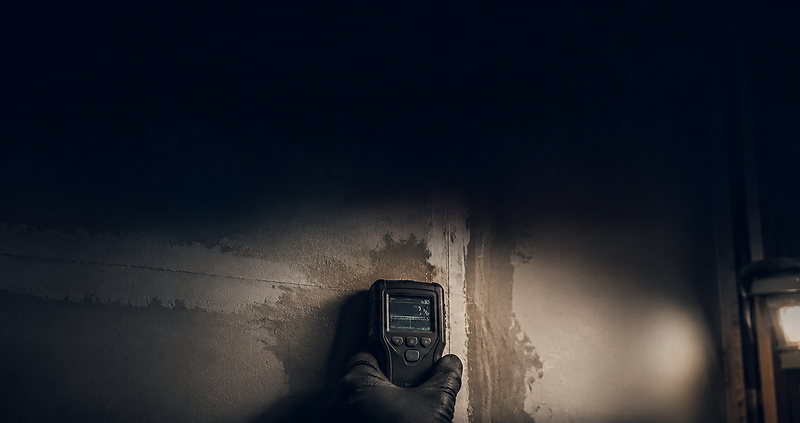
Water leak calls from local homeowners
Leak calls range from a visible drip under a sink to a rising water bill with no obvious source. Callers usually want a diagnosis before they commit to work.
What these callers describe
- Unexplained increase in the water bill
- Damp drywall, stains, or a musty smell
- Slab or under-floor leak suspected
- Leak at a supply line, valve, or connection
Callers in this category are describing an active problem, not researching options. By the time they dial, they have already decided they need a plumbing company — the conversation is about scope and scheduling, not persuasion.

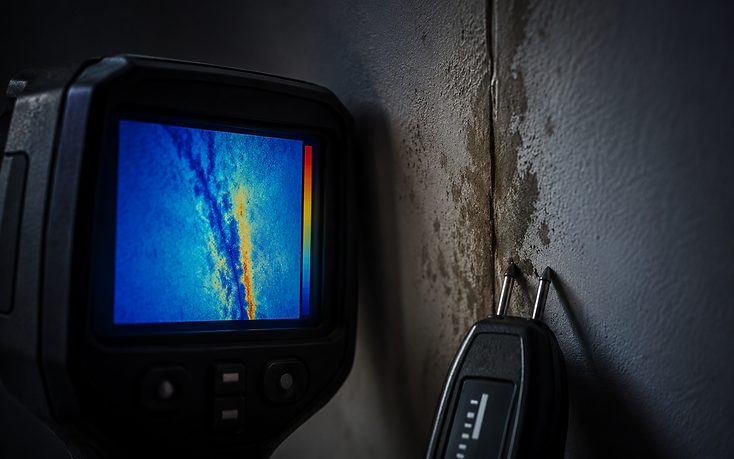
Because each water leaks call is routed to a single participating company at a time, your team is the first voice the caller hears instead of the fourth. There is no shared lead list, no follow-up race, and no cold callback window to manage.
How direct calls work
- STEP 01
A homeowner searches
Someone in your service area looks for plumbing help.
- STEP 02
A call is generated
That search turns into an inbound phone call on a tracked number.
- STEP 03
The call is routed
The call is routed to a participating plumbing business covering that area.
- STEP 04
You answer and work the job
Your team takes the conversation and works to book the job.
PlumbingCallsDirect routes calls only. All plumbing work is performed by the receiving company.